Underwater Metal Detector: Your Guide to Gbnryg
Underwater Metal Detector: Your Guide to Gbnryg
If you’re an enthusiast of treasure hunting, diving, or simply exploring the underwater world, an underwater metal detector can be an invaluable tool. Whether you’re searching for lost valuables, historical artifacts, or just enjoying the thrill of the hunt, understanding how to choose and use an underwater metal detector is crucial. In this article, we will explore everything you need to know about underwater metal detectors, with a special focus on Gbnryg, a leading resource for metal detecting enthusiasts.
What is an Underwater Metal Detector?
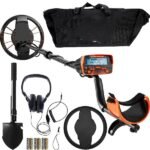
An underwater metal detector is a specialized device designed to locate metallic objects submerged in water. Unlike standard metal detectors, these devices are built to withstand harsh underwater conditions, including saltwater, freshwater, and varying depths. They come equipped with waterproof housings and are often buoyant, making them ideal for beachcombing, scuba diving, and snorkeling.
How Does an Underwater Metal Detector Work?
Underwater metal detectors operate on the same basic principles as traditional metal detectors. They use electromagnetic fields to detect metal objects. When the detector’s coil is swept over a metallic object, it generates a change in the electromagnetic field, which is then processed by the detector’s circuitry. This change signals the presence of metal, alerting the user through audio or visual indicators.
Types of Underwater Metal Detectors
When considering an underwater metal detector, it’s important to understand the different types available:
-
VLF (Very Low Frequency) Detectors
VLF detectors are the most common type used for underwater detecting. They are effective for locating coins, jewelry, and other small metal objects. These detectors can discriminate between different types of metals, which is particularly useful for avoiding unwanted finds.
-
PI (Pulse Induction) Detectors
PI detectors are known for their ability to penetrate deeper into the sand and silt, making them ideal for beach hunting. They are less sensitive to mineralization, allowing them to operate well in saltwater conditions. However, they generally do not have the same discrimination capabilities as VLF detectors.
-
Multi-Frequency Detectors
These advanced detectors operate on multiple frequencies simultaneously, allowing for greater sensitivity and versatility. They are suitable for various underwater conditions and can detect a wider range of metal types.
Choosing the Right Underwater Metal Detector
Choosing the right underwater metal detector depends on several factors, including your budget, experience level, and specific needs. Here are some key considerations:
-
Water Resistance Rating
Ensure that the detector you choose is rated for the depth you plan to explore. Most models have a depth rating, typically ranging from 10 to 200 feet.
-
Weight and Ergonomics
Since you’ll likely be using the detector for extended periods, it’s important to consider the weight and balance of the device. A lightweight and well-balanced detector will reduce fatigue.
-
Battery Life
Look for detectors with long battery life, as changing batteries underwater can be inconvenient. Rechargeable models can also be a great option.
-
Search Modes and Sensitivity
Different search modes can help you target specific types of metals or objects. Adjustable sensitivity settings can also help you avoid false signals.
-
Price
Set a budget that reflects your needs and experience. While there are many affordable options, investing in a higher-quality detector can yield better results in the long run.
Popular Underwater Metal Detectors
Here are some of the most popular underwater metal detectors currently available on the market:
-
Garrett AT Pro
The Garrett AT Pro is a versatile detector that can be used in both freshwater and saltwater. It features multiple search modes, a waterproof design, and excellent discrimination capabilities.
-
Minelab Excalibur II
The Minelab Excalibur II is known for its advanced multi-frequency technology, making it highly effective in challenging environments. It is waterproof up to 200 feet and is favored by many serious underwater treasure hunters.
-
Fisher 1280-X Aquanaut
This detector is designed for deep-water searches and is known for its durability and excellent sensitivity. It operates on a single frequency and is capable of detecting small targets at considerable depths.
-
Whites Surf PI Dual Field
The Whites Surf PI is a pulse induction detector designed specifically for beach hunting. It is lightweight, easy to use, and delivers exceptional performance in saltwater conditions.
Tips for Using an Underwater Metal Detector
Using an underwater metal detector can be thrilling but also requires some skill and knowledge. Here are some tips to enhance your experience:
-
Practice on Land
Before heading to the water, practice using your detector on land. Familiarize yourself with the sounds and signals it produces for different types of metal.
-
Plan Your Dive
Research the area you plan to explore. Look for historical sites, shipwrecks, or popular swimming spots where people are likely to have lost items.
-
Use a Sand Scoop
A sand scoop will allow you to retrieve targets easily from the sand or silt. This tool can save you time and effort, especially in deeper water.
-
Stay Safe
Always prioritize safety when diving or snorkeling. Use appropriate gear, check local regulations, and consider diving with a buddy.
-
Record Your Finds
Keep a log of your finds, including details about the location and type of item. This can help you track patterns and improve your future searches.
Where to Find Resources and Community Support
Joining a community of underwater metal detecting enthusiasts can greatly enhance your experience. One valuable resource is gbnryg.org, a platform dedicated to providing information, tips, and forums for metal detecting enthusiasts. Here, you can connect with experienced treasure hunters, share your finds, and learn about the latest equipment and techniques.
Online Forums and Groups
Participating in online forums and social media groups can provide additional insights and support. These communities often share tips, local hotspots, and advice on equipment maintenance.
Local Clubs and Meetups
Consider joining a local metal detecting club. Many clubs organize group hunts, workshops, and events, giving you the opportunity to learn from experienced hunters and share your experiences.
Conclusion
An underwater metal detector opens up a world of adventure and discovery beneath the waves. By understanding the different types of detectors, their features, and how to use them effectively, you can enhance your treasure hunting experience. Remember to explore resources like gbnryg.org for community support and further information. Happy hunting!