
Unlock the psychology of winning: casino secrets revealed
The Illusion of Control in Casino Games
Casinos are designed to leverage psychological principles, and a key one is the illusion of control. Many games, especially those involving skill elements like poker or blackjack, can foster a belief that players have more influence over the outcome than they actually do. This perception is often reinforced by near misses or streaks of luck, which can lead players to believe they have a winning strategy, when in reality, chance plays a dominant role in most casino outcomes. Players often seek out specific game types that feel more targeted towards their perceived abilities.
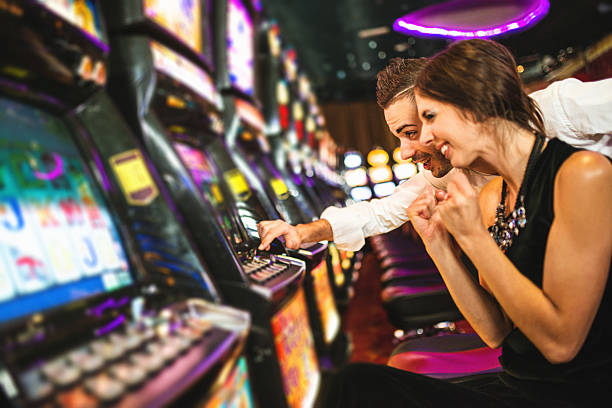
Understanding this psychological trap is crucial. While strategic play can marginally improve odds in certain games, the house edge is a fundamental aspect of casino operations. Recognizing the limits of personal influence and the pervasive role of random chance is the first step in approaching casino gaming with a realistic mindset. This awareness helps in managing expectations and making more rational decisions about betting and playing.
Harnessing Cognitive Biases for Smarter Play
Cognitive biases significantly influence how players perceive their chances and make decisions at the casino. The “gambler’s fallacy,” for instance, is the mistaken belief that if something happens more frequently than normal during a given period, it will happen less frequently in the future, or vice versa. This can lead players to chase losses or overconfidence after wins, both detrimental to bankroll management. Casinos, intentionally or not, often create environments that can amplify these biases.
To counter these biases, adopting a disciplined approach is essential. This involves setting strict limits on time and money, sticking to a pre-determined strategy, and avoiding emotional decision-making. Recognizing that past outcomes do not influence future independent events is paramount. A player who understands these psychological pitfalls is better equipped to make objective choices, rather than succumbing to ingrained mental shortcuts that often favor the house.
The Role of Environment and Sensory Stimulation
The physical environment of a casino is meticulously crafted to enhance the gaming experience and, by extension, encourage longer playtimes. Bright lights, constant sounds of winning, and the absence of clocks or natural light are all designed to disorient players from the passage of time and promote immersion. The luxurious atmosphere and the social aspect of casinos can also contribute to a sense of excitement and escapism, making it easier for individuals to lose track of their spending and their objectives.
This sensory stimulation plays a vital role in influencing behavior. The constant buzz and visual appeal are intended to create a feeling of perpetual opportunity and excitement, making it harder to disengage. Being aware of these environmental tactics allows players to maintain a grounded perspective. Taking breaks, being mindful of the surroundings, and actively resisting the urge to be swept up in the atmosphere are key to retaining control over one’s gaming session.
The Psychology of Betting and Risk Management
Betting patterns are deeply intertwined with psychological states. The thrill of a potential win can trigger dopamine releases, creating a feedback loop that reinforces betting behavior. Conversely, the fear of missing out on a big payout can also drive increased wagers. Effective risk management in a casino setting involves understanding these emotional drivers and establishing clear boundaries before commencing any game. This includes determining acceptable loss limits and win goals.
A responsible approach to betting hinges on solid risk management principles. This means never betting more than one can afford to lose, understanding the odds of each game, and knowing when to walk away. The psychological temptation to chase losses or to push one’s luck after a win must be consciously overcome. By implementing a well-thought-out financial strategy and adhering to it rigorously, players can mitigate the psychological pressures that often lead to poor financial outcomes in casino environments.

Exploring Casino Offerings: A Strategic Overview
Navigating the diverse world of casino entertainment requires a strategic understanding of offerings. Many online platforms, such as those that might be found by searching for general casino terms, provide a wide array of games, from classic table games like roulette and craps to a vast selection of slot machines. Each game has its own unique set of rules, payout structures, and psychological appeal, catering to different player preferences and risk appetites.
When considering various casino platforms, it is beneficial to look for those that emphasize responsible gaming practices alongside their entertainment options. Features such as customizable deposit limits, self-exclusion options, and readily available support for problem gambling are indicators of a reputable operator. Understanding the psychological elements that draw players in, while simultaneously seeking out platforms that promote a safe and controlled gaming experience, is a balanced approach to enjoying casino entertainment.