
Boutique Dubai Group Near Downtown Dubai And Marina
Dubai Interior Design: The Definitive 2026 Handbook
In 2026, Dubai’s interior design scene is one of the most dynamic anywhere, weaving together Gulf heritage with global luxury and fast-moving technology. The emirate hosts more than 200 nationalities, and that diversity shapes an aesthetic that is neither strictly Arabic nor purely European. Whether you own an apartment in Dubai Marina, a townhouse in Business Bay, or a villa on Palm Jumeirah, your design choices affect comfort, resale value, and everyday wellbeing. This full guide walks through styles, costs, timelines, regulations, and the practical steps of commissioning a project across the UAE. It is written for homeowners, investors, and tenants who want clarity before committing money or time. Every price below is a 2026 market estimate expressed as a range, not a fixed quote, because real costs depend on scope, finishes, and location. Some readers will read it end to end, while others will skip straight to the section that matches today’s decision. Whichever the case, the aim is to swap guesswork for a realistic picture of how projects really run here.
Why Interior Design in Dubai Stands Apart
Dubai interiors answer to a specific climate, culture, and pace of life that newcomers rarely appreciate at first. Summer temperatures regularly pass 45 degrees Celsius, so glazing, insulation, and cooling loads drive many of the early material decisions. Intense sunlight fades textiles and timber quickly, which pushes designers toward UV-treated fabrics and engineered surfaces. Cultural expectations matter too, with many homes needing a formal majlis for receiving guests separately from private family areas. The rental market is huge, so landlords often design for broad appeal while owner-occupiers press for individual character. Off-plan handovers from developers frequently come as blank shells, generating steady demand for fit-out, flooring, and joinery. Because the city rewards the new, dated interiors are noticed and discounted faster than in many other markets. Understanding these pressures early lets you brief a designer in a way that works with the UAE rather than against it.
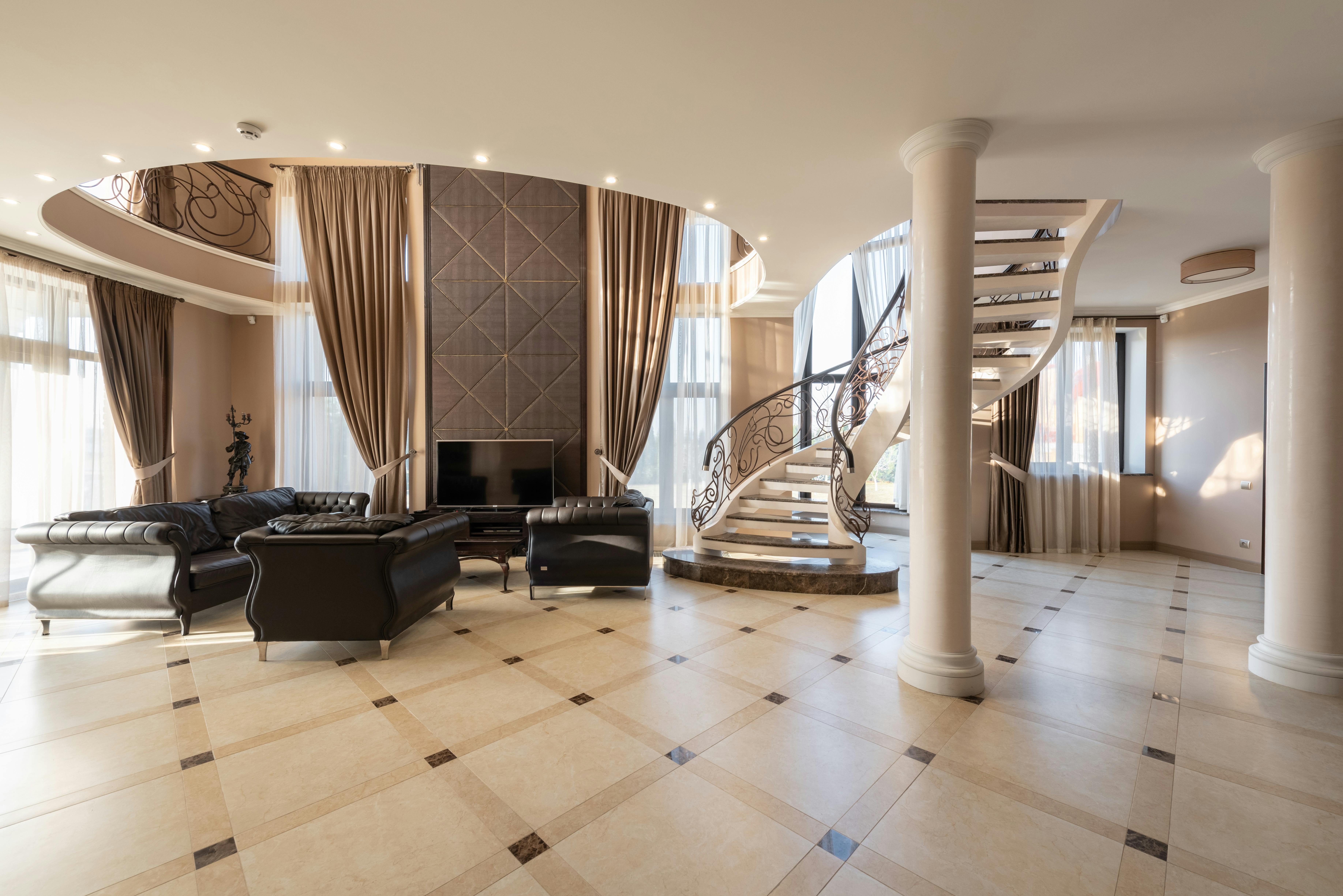
Popular luxury interior design umm al quwain Styles and Aesthetics in 2026
Contemporary Emirati style now dominates new projects, pairing clean lines with warm desert tones and handcrafted detail. Quiet luxury has become the defining mood of 2026, favouring restraint and superb materials over showy gold-and-marble opulence. Warm minimalism keeps rooms uncluttered while layering timber, boucle, travertine, and plaster so spaces never feel cold. Neo-classical and ornate contemporary looks still work for larger villas, especially where owners want a palatial sense of arrival. Biophilic touches, from indoor planting to natural stone, respond to a rising wellness focus among UAE residents. Smart-home integration is assumed rather than optional, woven seamlessly into lighting, climate, shading, and security. Neutral bases with a few bold anchor pieces tend to read as current today and resell well tomorrow. The list below summarises the directions most requested from Dubai studios this year.
- Quiet luxury: pared-back palettes, exceptional materials, and almost no visible branding
- Warm minimalism: clean layouts warmed by natural, tactile finishes
- Neo-classical grandeur: symmetry, fine mouldings, and statement lighting for villas
- Biophilic wellness: planting, daylight, and natural stone for a calmer home
- Smart contemporary: integrated automation behind a deliberately simple look
What Interior Design Costs in Dubai Today
It helps to think in per-square-foot ranges before moving to project totals. On a 2026 market estimate, standard residential fit-out runs about AED 75 to 250 per square foot, mid-range about AED 200 to 400, and luxury villas roughly AED 600 to 1,200 and beyond. Design-only fees usually land near AED 175 to 550 per square foot, or around 10 to 20 percent of the overall budget. A two-bedroom apartment of 1,100 to 1,500 square feet often totals AED 200,000 to 340,000 at the budget level and AED 400,000 to 750,000 at mid-range. High-end apartments can pass AED 800,000 to 1.8 million once bespoke joinery and imported finishes are added. Villas cover an even wider band, from roughly AED 80,000 for a light refresh to more than AED 2 million for full luxury turnkey work. Ultra-prime addresses such as Palm Jumeirah and Emirates Hills can hit AED 2.5 to 6 million or more for a complete transformation. Treat each figure as an indicative 2026 range that shifts with scope, brand of finishes, and market conditions. The table gives a quick reference for common project types.
| Project category | Typical size | 2026 estimated cost range (AED) |
|---|---|---|
| Entry-level apartment | 1,100 to 1,500 sq ft | 200,000 to 340,000 |
| Mid-market apartment | 1,100 to 1,500 sq ft | 400,000 to 750,000 |
| Premium apartment | 1,100 to 1,500 sq ft | 800,000 to 1,800,000+ |
| Mid-level villa | 3,500 to 5,000 sq ft | 250,000 to 600,000 |
| Turnkey luxury villa | 5,000+ sq ft | 600,000 to 2,000,000+ |
| Ultra-prime residence | Palm Jumeirah or Emirates Hills | 2,500,000 to 6,000,000+ |
The Design and Fit-Out Process Step by Step
Understanding the sequence helps you plan cash flow and sidestep expensive delays. Most Dubai projects run through concept, detailed design, approvals, procurement, execution, and snagging in a fairly predictable order. The concept stage usually takes two to four weeks and fixes the direction, mood, and a rough budget. Detailed design and drawings follow over four to eight weeks, locking down materials, joinery, and MEP coordination. Approvals and permits can take two to six weeks depending on the authority and the community. On-site execution commonly takes four to eight weeks for apartments and noticeably longer for villas. A short snagging and handover period of one to two weeks closes out defects before you move in. Procurement frequently overlaps the design phase, since imported furniture and stone can carry long lead times. The ordered list below lays out the typical path from first sketch to final styling.
- Concept and mood setting, around two to four weeks
- Detailed design, drawings, and material choices, around four to eight weeks
- Approvals, NOC, and fit-out permits, around two to six weeks
- Procurement and joinery production, usually overlapping design
- On-site execution and installation, four to eight weeks and longer for villas in particular
- Snagging, handover, and final styling, around one to two weeks
Permits, Sign-Offs, and Regulations
No fit-out or renovation ought to begin before the right approvals are in place. The first step is usually a no-objection certificate, or NOC, from the building owner or management. After that, a fit-out permit is needed from the relevant authority before any work starts on site. Dubai Municipality covers most areas, while the Dubai Development Authority or Trakhees governs certain communities and free zones. Dubai Civil Defence reviews fire and life-safety design, and DEWA manages utility connections and metering. As a 2026 estimate, straightforward approvals often clear in about three to ten working days. Skipping this process risks fines, forced reinstatement, and delays at handover, so reputable firms manage it on your behalf. Building a few weeks of approval time into your schedule keeps the whole project honest and predictable.
Choosing the Right Designer
Choosing a partner is as much about trust and communication as it is about portfolio images. Start by aligning a firm’s proven specialism with your project, whether that is villas, apartments, offices, or hospitality. Ask to see completed work in person or through detailed case studies rather than polished renders alone. Confirm whether the company delivers design and build in-house or coordinates external contractors, since that affects accountability. Clarify the fee structure early, weighing fixed fees, per-square-foot rates, and percentage-of-budget models. Make sure the team is comfortable managing Dubai’s permit process and developer handover conditions. Study the contract for how variations, delays, and payment stages are handled before you sign anything. The cheapest quote seldom reflects the true schedule, so weigh value and reliability alongside price.
Bringing the Pieces Together
Interior design in Dubai in 2026 favours owners who plan with clear eyes and realistic budgets. Choose your style direction first, then stress-test it against climate, culture, and resale before committing. Use the per-square-foot ranges here to sanity-check quotes, bearing in mind they are market estimates rather than fixed prices. Respect the permit process, because approvals protect both your investment and your handover date. Give the project enough time, because quality joinery and finishes cannot be rushed without visible compromise. Above all, choose a designer whose specialism and working style genuinely fit your home and your temperament. Keep a small contingency of around ten percent for the surprises that almost every renovation uncovers. With all that in place, a Dubai interior can be beautiful, functional, and sound for many years.